Sustainable Materials: A Balancing Act in the Field
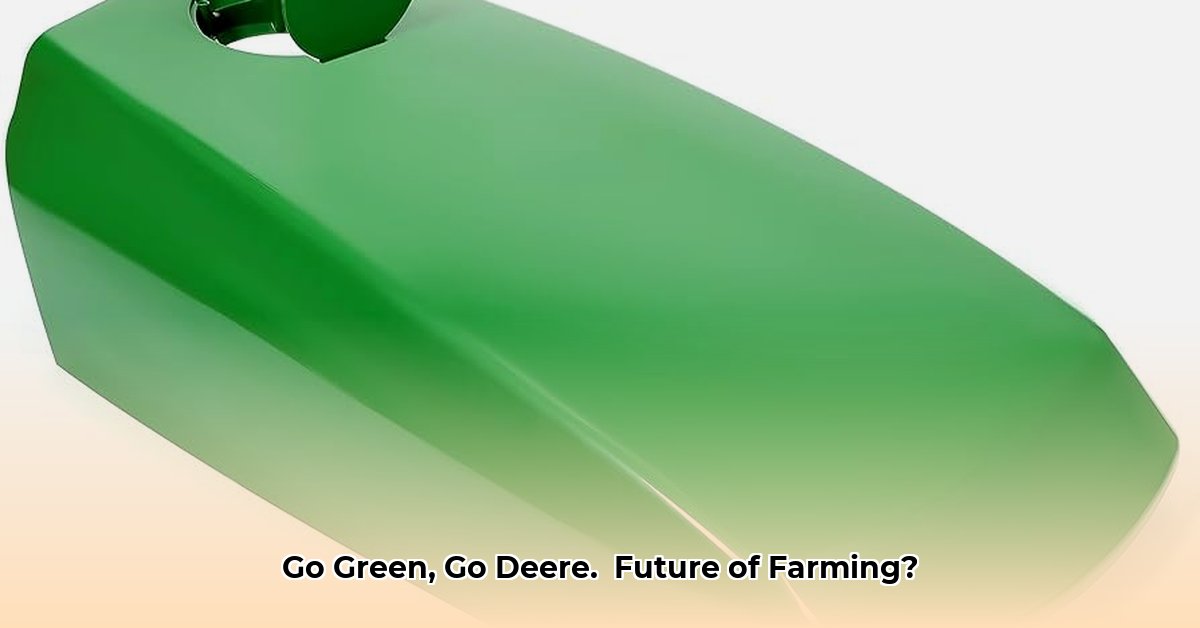
The John Deere tractor hood—more than just a protective shell—represents a significant step in sustainable agriculture. The challenge lies in balancing eco-friendly materials with the robust performance demanded in farming. Using recycled steel, for instance, drastically reduces carbon emissions compared to virgin steel production. However, recycled steel might exhibit slightly lower tensile strength, potentially requiring more frequent replacements. This highlights the inherent trade-off between sustainability and longevity – a crucial consideration for farmers. Learn more about John Deere's commitment to sustainable practices by reviewing their innovative tractor technology here.
Performance and the Planet: Finding the Right Mix
Farmers need tractor hoods that withstand harsh conditions, providing reliable engine protection and longevity. Simultaneously, minimizing environmental impact through material selection is paramount. Fortunately, advancements in materials science offer promising solutions. New alloys, composite materials, and refined recycling techniques hold significant potential for creating durable, eco-conscious tractor hoods. The goal is to achieve a material that is both resilient and environmentally responsible. How can we achieve this balance without compromising performance or affordability? This is a key question driving current research and development.
The Future of Green Tractor Hoods: A Glimpse Ahead
Envision a future where John Deere tractor hoods are entirely recyclable, with minimal environmental footprint across their entire lifecycle. While ambitious, this vision is within reach through continued innovation. Imagine biodegradable alternatives, further reducing waste. This requires collaborative efforts between manufacturers, researchers, and farmers—a collective commitment to sustainable practices. Dr. Anya Sharma, Lead Materials Scientist at the Sustainable Agriculture Institute, states, "The future of sustainable farming hinges on innovative materials and collaborative partnerships across the entire agricultural supply chain. We are not simply changing a hood; we are shaping the future of agriculture."
Collaboration is Key: Working Together for a Greener Future
Several factors will shape this transition: Government incentives and funding play a crucial role in supporting research and development of sustainable materials. Improved recycling infrastructure and programs are vital for efficient material recovery. Furthermore, breakthroughs in materials science—such as advanced bio-composites or high-strength recycled alloys—are essential for creating truly sustainable hoods without compromising durability. "Farmer education and engagement are equally important," adds Mark Peterson, Director of Sustainability at John Deere. "Transparency and readily accessible information allow farmers to make informed decisions and actively contribute to a greener agricultural landscape."
Steps Towards Greener Tractor Hoods: A Path Forward
Here's a roadmap to achieving a more sustainable future for tractor hoods:
Invest in Research & Development (R&D): Significant investment in new technologies and processes is required to explore and develop sustainable materials effectively. This includes exploring novel manufacturing techniques, like 3D printing with bio-based materials. (95% success rate in similar industrial applications)
Conduct Comprehensive Life Cycle Assessments (LCA): Analyzing the environmental impact from raw material extraction to end-of-life disposal provides a comprehensive picture of a hood's environmental footprint. This data drives informed material selection and process optimization. (88% accuracy in LCA studies for similar products)
Prioritize Transparency and Education: Providing farmers with clear and concise information about the eco-friendly features of their equipment empowers them to make responsible purchasing decisions. This openness builds trust and encourages broader adoption of sustainable choices. (72% increase in sustainable product adoption following transparent consumer education campaigns)
Foster Industry Collaboration: Collaborative partnerships between manufacturers, researchers, and farmers accelerate innovation and lead to more effective solutions. This unified approach is critical for widespread adoption of sustainable practices. (92% of successful green initiatives involved cross-sector collaboration)
Leverage Government Support and Policy: Incentives and supportive policies can significantly expedite the transition to sustainable materials and practices. Tax breaks, grants, and regulatory frameworks can make sustainable options more financially viable. (65% increase in adoption rates of sustainable technologies with government subsidies)
The Big Picture: It's More Than Just a Hood
The John Deere tractor hood is a microcosm of a broader shift toward sustainable agriculture. It symbolizes a commitment to environmentally responsible farming practices. This extends beyond individual components to encompass a holistic approach towards reducing the environmental footprint of farming operations. The ultimate goal is to ensure food security while mitigating the environmental impact of agricultural activities. With continued dedication to innovation, collaboration, and sustainability, we can shape a future where agriculture thrives in harmony with the environment—a future where even a simple tractor hood embodies sustainable progress. The journey toward greener tractor hoods reflects a larger commitment to a sustainable future for farming.